Chronic disease trial recruitment: Finding the right patients at the right time
Why primary care access may be the key.

The recruitment challenge in chronic disease research
Chronic disease research has become increasingly competitive in recent years. As sponsors pursue increasingly targeted therapies across diabetes, cardiovascular disease, chronic obstructive pulmonary disease (COPD) and other chronic conditions, identifying and enrolling eligible patients has become one of the greatest challenges to keeping studies on track. Traditional recruitment strategies have long centered on specialist sites, academic medical centers and broad patient awareness campaigns. While these approaches remain important, they may overlook the long-term primary and community health care needed years before chronic disease patients ever reach a research center or specialist. By the time patients are identified through conventional recruitment pathways, opportunities to enroll them in the most appropriate studies may have already passed.
The goal is not simply finding patients earlier but finding the right patients at the right point in their health care journey. Eligibility for many chronic disease studies depends on specific diagnoses, treatment histories or stages of disease progression, making timing just as important as reach. As sponsors look to strengthen recruitment strategies for chronic disease clinical trials, primary care presents an opportunity to rethink where and how eligible patients are identified. Understanding that opportunity begins with looking more closely at the role primary care already plays in the patient experience.
The importance of identifying and recruiting patients at the right time
For successful patient recruitment in many chronic disease studies, it is critical to identify patients at a very specific point in their disease or treatment journey. Traditional awareness campaigns may be effective at generating interest, but awareness alone does not guarantee eligibility. Many study protocols require patients to meet highly specific clinical criteria based on disease progression, treatment history or medication changes.
Patients with chronic diseases often move through multiple stages of care over several years. During that journey, there may be only a narrow window when they meet a study’s eligibility criteria. If patients are identified too early, they may not yet qualify. If they are identified too late, they may have progressed beyond the point where enrollment is possible. Delays in outreach, referral or screening further increase the risk of attrition, making timely identification critical.
Example: Finding the right recruitment window in COPD
Consider a COPD study evaluating patients before they begin biologic therapy. Eligible patients may need to have recently progressed to triple therapy but not yet initiated biologic treatment, creating a relatively small recruitment window.
Identifying patients during this period often demands more targeted approaches than traditional recruitment alone. Sponsors may leverage primary care touchpoints, pharmacy records that indicate prescription changes, or laboratory testing associated with disease management to recognize when patients are approaching eligibility. Rather than relying solely on broad awareness campaigns, these approaches aim to connect with patients at the right moment when they are most likely to qualify for the study.
As protocols become increasingly targeted, patient access, not site activation, is becoming the primary bottleneck. This means that successfully identifying eligible patients may call for access to detailed clinical information and recruitment strategies that align with the realities of chronic disease care. Sponsors that do not have access to this information are more likely to struggle with patient enrollment that fits their needs.
Why primary care is uniquely positioned to identify eligible patients
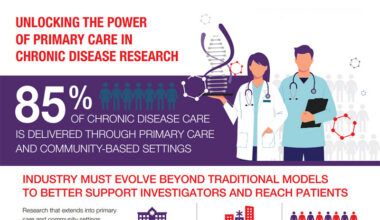
Primary care has long played a central role in chronic disease management, making it one of the most valuable, yet underutilized settings for patient identification. While many clinical trials are conducted through specialist sites and academic medical centers, patients with chronic conditions often spend years receiving routine care in primary care and community-based settings before they are ever referred to a specialist.
Longitudinal patient relationships create opportunities for right-time recruitment
Unlike episodic specialist visits, primary care is built around ongoing relationships. Primary care providers regularly monitor patients over time, allowing them to observe changes in disease progression, treatment response and overall health that may indicate eligibility for a clinical trial.
Through routine care, providers often have access to valuable clinical information, including:
- Diagnosis history
- Medication records
- Treatment progression
- Longitudinal health data
Taken together, these insights identify eligible patients before or alongside specialist referral, creating opportunities to engage them during the narrow windows when they may be suitable for research participation.
Awareness alone does not drive participation
Identifying eligible patients is only part of the recruitment challenge. Successfully engaging them requires trust. Patients are often more willing to consider clinical trial participation when information comes from health care professionals they already know and trust. Trusted relationships allow patients to address questions about study participation and provide reassurance throughout the recruitment process. As a result, primary care offers more than access to clinical information. It also provides a trusted environment where conversations about research can occur naturally within the context of ongoing care.
Data and trust are powerful foundations for successful patient recruitment. Translating those advantages into meaningful enrollment, however, means sponsors need the right support, infrastructure and recruitment strategies to connect patients with appropriate research opportunities at the right time.
Finding success in primary care recruitment
Primary care presents a significant opportunity for identifying patients at the right time. However, realizing that opportunity requires strategies that reflect how chronic disease care is delivered while making research participation practical for providers and patients.
Addressing the barriers to primary care participation
Primary care providers are well positioned to identify eligible patients, but many remain disconnected from traditional clinical research networks. Limited awareness of clinical trial opportunities, unclear referral pathways, and time and workflow constraints can make research participation difficult, particularly in busy community practices.
At the same time, many clinical trial models have historically been designed around specialist and academic research sites rather than the realities of primary care. Without practical ways to integrate research into routine care, providers may have limited opportunities to identify and refer eligible patients, even when those patients are already under their care.
Creating flexible pathways to participation
Not every primary care practice needs to participate in research in the same way. Instead, participation models should align with each practice’s capabilities, infrastructure and patient population.
Depending on the needs of the study, primary care practices may serve as:
- Referral partners that identify and refer eligible patients.
- Participating practices that support selected study activities.
- Research-ready sites that conduct clinical research more independently.
This flexible approach enables broader participation while reducing operational burden. It also allows recruitment strategies to be tailored to individual study protocols, patient populations and local health care systems, recognizing that what works in one region or care setting may not be appropriate in another.
Designing recruitment around real-world care delivery
Patients with chronic diseases rarely receive care through a single provider or health care setting. Instead, they move between primary care providers, specialists, pharmacists, laboratories and other community-based services.
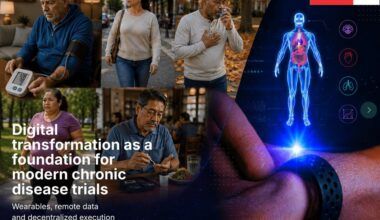
Successful recruitment strategies recognize these existing care pathways and bring research opportunities closer to where patients already receive care, information and support. Simplifying referral pathways, equipping health care professionals with practical resources and integrating research into routine care reduces barriers for both providers and patients. Depending on the study, decentralized and hybrid trial models, telehealth visits, remote monitoring technologies and wearable devices may further reduce participation burden by allowing aspects of the trial to fit more naturally into patients’ everyday lives rather than requiring frequent visits to traditional research sites.
Ultimately, identifying patients at the right time means that drug developers need recruitment strategies that work within real-world health care systems rather than around them. By aligning clinical trial recruitment with the realities of chronic disease care, sponsors may create more connected, patient-centered approaches that improve patient identification, engagement and retention throughout the research process.
Finding the right patients at the right time
As chronic disease recruitment becomes more competitive, sponsors will need to look beyond traditional recruitment models and toward approaches that connect research opportunities with everyday care. Success necessitates that sponsors have the tools and resources needed to identify eligible patients at the right point in their disease process. Primary care is uniquely positioned to support that shift through ongoing management of chronic disease, longitudinal visibility into patient health and trusted patient-provider relationships. Realizing that opportunity, however, requires recruitment models, infrastructure and support systems that fit naturally within real-world care delivery.
The PPD™ clinical research business of Thermo Fisher Scientific supports sponsors in bringing these principles into practice through Patient First Digital solutions. By combining digital capabilities with patient-centered recruitment strategies, our team enables sponsors to build recruitment approaches that are designed around how patients experience chronic disease care. Key capabilities include:
- Data-informed patient identification approaches.
- Digital recruitment and patient engagement strategies.
- Access to HealthUnlocked patient communities.
- Recruitment strategies that may be adapted across therapeutic areas, patient populations and global regions.
The future of chronic disease recruitment depends on bringing research closer to where patients receive care and identifying and engaging the right patients at the right time. By bringing these capabilities together, we support sponsors in connecting with eligible patients at meaningful points in their disease progression while creating recruitment strategies that are more connected, patient-centered and adaptable.
Discover your path to clinical success in chronic disease
Recommended for you