
Realizing the promise of neuroscience: How progress in MS research can guide the field
Advances in multiple sclerosis research and treatment can be a blueprint for success in other neuroscience indications
Recently, I shared my experience living with multiple sclerosis (MS) over the past two decades. My outlook has transformed since my diagnosis in 2005 and now reflects the extensive progress made in MS research and treatment. What initially felt like a life sentence of severe symptoms and inevitable disability has become a journey of hope marked by new options for diagnosing MS and slowing progression.
The state of MS research today is at a point where other neuroscience indications — such as Alzheimer’s disease and Parkinson’s disease — are aiming to reach. The diagnostic process for MS is straightforward, with clear and relatively accessible tools and assessments available to inform diagnosis. It is also clearly sub-categorized into different disease types based on established biomarkers and clinical assessments, which guide specific disease management strategies. Importantly, more than 20 disease-modifying therapies for MS are now on the market, some of which include subtype-specific labeling for more tailored treatment. A robust patient advocacy network also exists, connecting patient communities with information and resources and providing valuable perspectives in clinical research.
Addressing the unique challenges of neuroscience research
The advancement in MS research sets a blueprint for the potential and promise of wider neuroscience research. Trials for neuroscience indications face unique study design and execution challenges in comparison to other therapeutic areas. Because many neurological symptoms, such as changes in movement or memory, are often measured using clinical scales based on physician observation or self-report, it can be difficult to ensure consistency and rigor in the data collected.
In neuroscience, one of the biggest challenges is that endpoints are often observed, not recorded. There aren’t as many “hard” biomarkers, so the endpoints are coming from clinical assessments either by clinicians or by the patients themselves. Running neuroscience clinical trials in a way that minimizes variability and subjectivity in the data is critical. The availability of relevant clinical measurements has vital implications for defining trial endpoints and determining criteria for patient inclusion, exclusion, or stratification within a study.
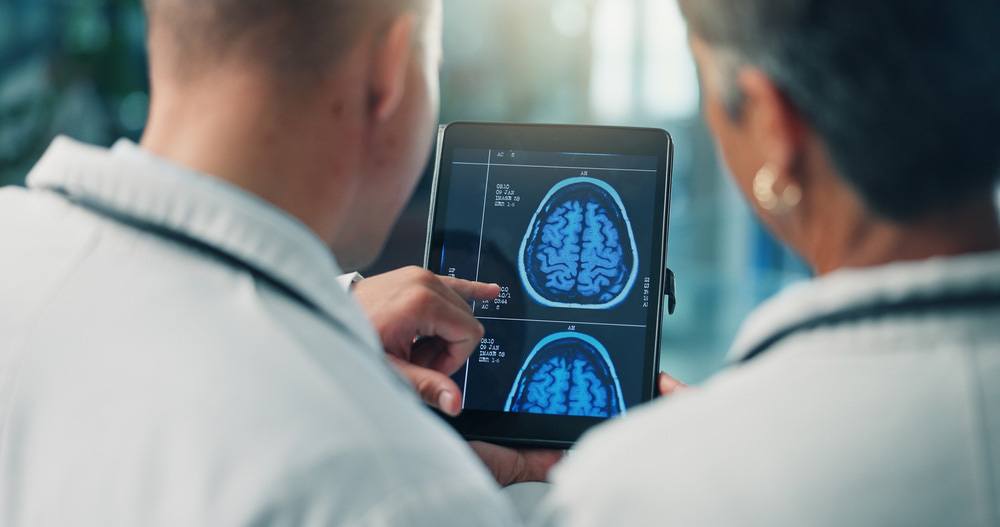
But as more biomarkers are identified and validated for clinical research, new avenues for data collection have opened across therapeutic areas, including neuroscience indications. For example, MS trials can now incorporate data from clinical assessments and patient self-reports as well as MRI and blood-based biomarker data to confirm diagnosis, stratify based on disease subtype, and assess patient status and drug efficacy. Similarly, blood-based biomarkers for Alzheimer’s disease pathology and other neurological indications are becoming more widely available, offering new possibilities for accessible and objective trial endpoints.
A strong foundation of experience in MS research
When it comes to advancing our understanding of MS diagnosis and treatment, our work spans virtually every facet of scientific research, including diagnostic development, drug development, drug packaging/labeling, clinical trials, and more. This enables us to bring a unique depth and breadth of experience in MS and neuroscience research to every clinical trial.
Our team has conducted more than 50 MS trials in the past five years. This includes involvement in studies for five on the six top-selling MS drugs and for 60% of all MS therapies that have been approved. We have run trials in every classification of MS drugs, from the early injectables to infusions, oral treatments, and the ‘high-efficacy’ treatments that are now in development.
We are also uniquely positioned to support the most cutting-edge clinical trials in MS. As CAR-T cell therapies gain momentum for their potential to alter disease progression, our deep experience in oncology CAR-T studies can be applied to support trials of these next-generation MS therapies. Our ability to leverage institutional knowledge from oncology CAR-T trials, including our existing cell therapy Centers of Excellence, supports our neuroscience teams working with MS sites.
Addressing unmet needs in the field
While substantial progress has been made in advancing MS research and therapies, ongoing efforts are critical to continue driving the field forward to benefit all patients. Chief among these is a patient-centered approach in clinical research. Across therapeutic areas, we recognize the value of patient perspectives in designing more engaging, empowering and accessible clinical trials. The robust MS patient advocacy network is well-positioned to provide these insights through relationships with researchers and sponsors.
From considering quality-of-life outcomes in clinical trials to better reflect patient perspectives and needs to fostering therapeutic access through co-pay assistance programs, a patient-centered approach ensures that research progress provides meaningful benefits to people living with MS. We emphasize patient access, patient hope, and patient experience, especially in the face of more aggressive disease, and are driven to increase access to all tools available to support patients, whether it’s clinical trials or new medications.
As we work to explore new therapeutic frontiers, the value of interdisciplinary collaboration across our teams is clearer than ever. In CAR-T cell therapy trials for MS, our experienced neuroinflammatory disease experts leverage established cell therapy research infrastructure to accelerate progress in these complex studies. Additionally, new therapeutic mechanisms under investigation for MS, such as neuroprotection and remyelination, have the potential to be applied to other neuroscience indications.
Real-world data is another area of opportunity in MS research that we are exploring in greater depth. By tapping into PPD™ CorEvitas™ Clinical Registries, our researchers have access to more than 20 years of robust, longitudinal clinician- and patient-reported real-world data. In addition to providing valuable insights into patterns of progression and treatment outcomes in MS, these rich datasets can identify patients eligible to transition from a real-world data study to an interventional clinical trial.
Looking ahead
Not long ago, patients diagnosed with MS may have feared that the limited options for treatment meant that future progression and disability were inevitable. However, the catalog of available therapies is expanding and ongoing treatment limits the progression of the disease. And, with recent evidence suggesting that MS becomes less aggressive with age, patients may have the exciting and unexpected possibility of discontinuing treatment.
Twenty years ago, there wasn’t enough data to understand what later stages of the disease look like after treatment. Now, there are several effective treatments available that many patients may be able to continue and experience only minimal impact of the disease. If this can be achieved for multiple sclerosis there is hope for Alzheimer’s disease or Parkinson’s disease too.
Incremental progress in clinical trials represents a step forward in potentially reshaping the future for people living with neurological diseases, making a patient-facing approach critical for driving meaningful change in the field. By leveraging our deep and broad foundation of experience and expertise in MS research, the PPD™ clinical research business of Thermo Fisher Scientific accelerates progress in neuroscience research and transforms the clinical trajectory of patients worldwide.
Partner with us to advance the most cutting-edge clinical trials in MS.
Recommended for you